Skip to content
Back

Athlete Admissions: The Complete Guide to College Recruiting for Student-Athletes in New York and New Jersey

By Rona Aydin

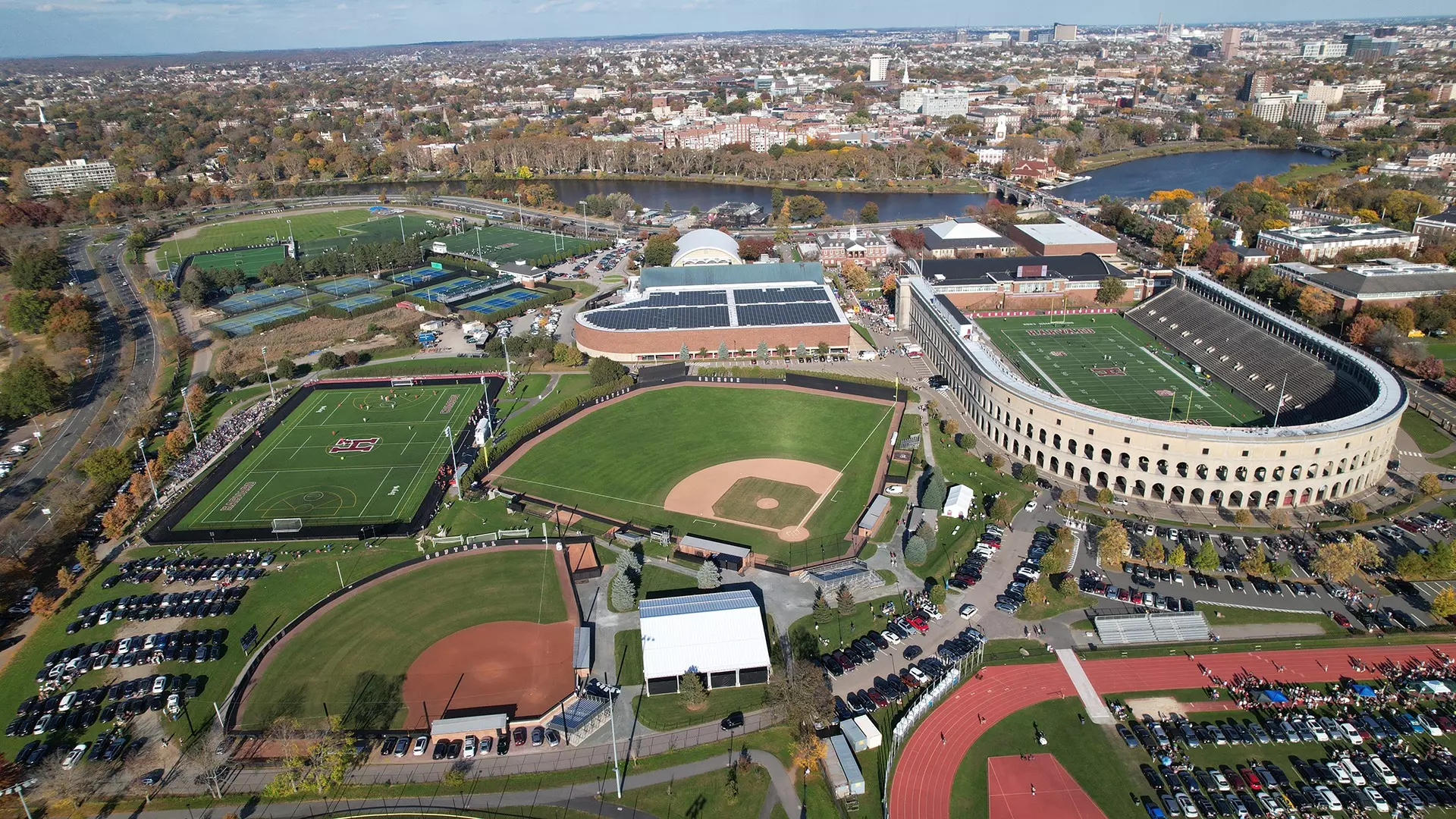
Aerial view of college athletic facilities and stadium
TL;DR: Athletic recruitment is one of the most powerful levers in college admissions — recruited athletes at Ivy League schools are admitted at rates 5-8x higher than the general applicant pool (Harvard admissions data released during SFFA v. Harvard trial). For NY and NJ student-athletes, the process differs dramatically by sport, division level, and school type. Ivy League schools use “Likely Letters” rather than binding scholarships, while NESCAC and D3 schools offer a strong academic-athletic balance many families overlook. The timeline starts earlier than most families realize: coaches want to identify recruits by sophomore year for many sports. Pair your athletic profile with strong academics, Early Decision strategy, and compelling essays for the best outcomes. Schedule a consultation with Oriel Admissions →

Every year, tens of thousands of high school athletes in New York and New Jersey dream of playing their sport in college. Most of them will not be recruited. Not because they lack talent, but because they lack strategy. The athlete admissions process is one of the most misunderstood pathways in college admissions – and the families who understand how it actually works gain an advantage that no amount of athletic talent alone can replicate.

This guide is designed for student-athletes and their families in New York and New Jersey who are serious about using athletics as a lever in the college admissions process. Whether your child is a Division I prospect at a powerhouse NJ program, a Division III candidate at a strong NYC private school, or somewhere in between, the strategic principles here will change how you think about the intersection of sports and selective admissions.

If your family is navigating college admissions at a specific NJ or NY school and wants school-by-school strategy, we have detailed guides for Bergen County, Essex County, Westchester County, Nassau County, and Morris County, among others. This guide focuses specifically on the athletic recruitment angle that cuts across all of them.

The Athlete Admissions Landscape: What Families Get Wrong

The single biggest misconception in athlete admissions is that being a good player is enough. It is not. Being a great player at your high school, or even in your club league, does not automatically translate into a college roster spot – let alone an admissions advantage. College coaches at selective universities are evaluating athletes within a national (and increasingly international) talent pool, and they are doing so on a timeline that most families do not understand until it is too late.

The second misconception is that athletic recruitment and academic admissions are separate processes. They are not. At Division I schools, coaches can provide significant admissions support – but your child still needs to meet academic thresholds. At Division III schools and the Ivy League, coaches can flag applications and provide “tips” to admissions, but the academic bar remains high. At every level, a student-athlete who treats academics as secondary to athletics is making a strategic error that will narrow their options dramatically.

The third misconception is that the process starts in junior year. For many sports and many levels of competition, the meaningful recruiting window opens in sophomore year or earlier. Families who begin the strategic conversation in 11th grade have already missed the highest-leverage period for outreach, camp attendance, and relationship-building with coaches.

How Athletic Recruitment Works at Each NCAA Division

Understanding the structural differences between Division I, Division II, Division III, the Ivy League, and NAIA is essential before any strategic planning begins. Each division operates under different rules regarding scholarships, recruiting timelines, and the relationship between coaching staff and admissions offices.

FactorDivision IDivision IIDivision IIIIvy LeagueNAIA
Athletic ScholarshipsYes (full and partial)Yes (partial, typically)No athletic scholarshipsNo athletic scholarshipsYes (full and partial)
Academic Merit AidVaries by schoolYes, can stack with athleticYes, often generousNeed-based onlyYes, can stack
Coaches’ Admissions InfluenceVery high – can secure admitsHigh – strong pullModerate – “tips” to admissionsModerate – Likely Letter systemHigh – direct influence
Recruiting Timeline (First Contact)June 15 after sophomore year (most sports)June 15 after sophomore yearNo restrictions on timingSeptember 1 of junior yearNo restrictions
National Letter of IntentYesYesNoNo (Likely Letter instead)Yes
Number of Schools (Nationally)3623064388241
Academic Bar for AdmissionLower (athletic admits get flexibility)ModerateHigh – must meet school standardsHigh – Academic Index requiredVaries widely

Source: NCAA Recruiting Facts, NAIA. Recruiting timeline rules are set by the NCAA and updated periodically; families should verify current contact dates for their specific sport via the NCAA Recruiting Calendars.

The Ivy League and “Likely Letters”: How Athletic Recruitment Really Works at the Most Selective Schools

For NY and NJ families targeting the most selective universities, the Ivy League athletic recruitment pathway deserves special attention. The eight Ivy League schools – Harvard, Yale, Princeton, Columbia, Penn, Brown, Dartmouth, and Cornell – do not offer athletic scholarships. Instead, they use a system of Likely Letters and a metric called the Academic Index (AI) to manage the intersection of athletic talent and academic admissions.

The Academic Index is a numerical score calculated from a student’s GPA and standardized test scores. Each Ivy League school must maintain a team-average AI that falls within a certain band of the overall student body’s average. This means coaches cannot simply recruit whoever they want – they need athletes who can clear academic thresholds. A football coach at Princeton, for example, has more AI flexibility than a squash coach at Harvard, because football rosters are larger and the AI is averaged across the entire team. But every recruited athlete must meet a minimum AI floor.

For families in our area, this has direct strategic implications. A student-athlete from Ridgewood with a 1400 SAT and a 3.8 GPA is in a very different AI position than one from a less competitive school context with the same numbers. The AI calculation is standardized, so what matters is the raw score, not the school context. This is one area where the contextual evaluation that helps students at less-competitive schools in regular admissions does not apply in the same way for athletic recruitment.

Likely Letters are the Ivy League’s version of early verbal commitments. When a coach wants a recruited athlete, they work with the admissions office to secure a Likely Letter – a written communication sent before the official admissions decision date telling the student they are “likely” to be admitted. Likely Letters are sent in the fall and winter of senior year and are as close to a guarantee as the Ivy League process offers. But receiving one requires that the coach has identified you, evaluated your talent, and advocated for you within the admissions committee – a process that typically begins 12 to 18 months before the letter is sent.

For a detailed look at the admissions dynamics at individual Ivy League schools, see our guides to Princeton, Cornell, Yale, Brown, Columbia, and Penn.

The Division III and NESCAC Pathway: The Sweet Spot for Many NY/NJ Families

While Division I gets the headlines, Division III – and particularly the NESCAC (New England Small College Athletic Conference) – is where the greatest strategic opportunity lies for many high-achieving NY and NJ student-athletes. Schools like Williams, Amherst, Middlebury, Bowdoin, Tufts, Bates, Colby, Hamilton, and Wesleyan combine elite academics with competitive athletics, and the recruiting process at these schools gives student-athletes a genuine admissions advantage without the time demands of a D1 commitment.

At D3 schools, there are no athletic scholarships, but coaches have meaningful influence over admissions. The “coach’s list” or “coach’s tip” system works like this: a coach who wants a recruit contacts the admissions office and places the student on a supported list. This does not guarantee admission, but it provides a significant boost – particularly at schools where the admissions rate for supported athletes can be two to three times higher than the general pool. At a school like Williams, where the overall admit rate is around 9%, a supported athlete might see an effective admit rate of 25-35%.

For NY and NJ families, the NESCAC and similar conferences (the Centennial Conference, the UAA, the Liberty League) represent an ideal balance. Your child gets to play a competitive sport, receives a world-class education, and enters the admissions process with a structural advantage. The key is understanding that coaches at these schools are evaluating both talent and academic profile simultaneously, and the recruiting timeline is less regulated than D1, meaning proactive outreach earlier can be even more valuable.

The Patriot League and Other Mid-Major Conferences: A Bridge Between D1 and D3

The Patriot League – Lehigh, Lafayette, Colgate, Bucknell, Holy Cross, Army, Navy, and others – occupies a unique position that is particularly relevant for NJ and NY families. These are D1 schools that offer athletic scholarships in some sports but maintain academic standards closer to D3 or Ivy League levels. A student-athlete who is not quite at the Ivy League athletic talent level but has strong academics can find an extraordinary fit at a Patriot League school.

Schools like Lehigh (90 minutes from North Jersey) and Lafayette (in Easton, PA, about 75 minutes from Bergen County) are geographically accessible and offer engineering, business, and liberal arts programs that rival schools with far higher name recognition. For families in Burlington County, our Burlington County guide specifically notes Cherokee High School’s #33 ranking in NJ for athletics as a launching pad for Patriot League recruitment. Similarly, Camden County’s Haddonfield Memorial (#7 in NJ for sports) produces student-athletes who are natural fits for these conferences.

Sport-by-Sport Recruiting Realities for NY and NJ Athletes

Not all sports are created equal in the recruiting world. The level of competition, the number of available roster spots, and the financial investment in club play vary enormously by sport. Here is how the landscape looks for the sports most commonly played by NY and NJ student-athletes.

SportClub/Travel ImportancePrimary Recruiting WindowD1 Scholarship AvailabilityD3/Ivy Recruiting StrengthNY/NJ Talent Pool Density
LacrosseEssential (club is primary pathway)Sophomore-Junior summer12.6 scholarships (men), 12 (women)Very strong (NESCAC, Ivy, Patriot)Extremely high – top national region
SoccerEssential (ECNL, MLS Next, GA)Sophomore spring-Junior fall9.9 (men), 14 (women)StrongVery high
Swimming & DivingEssential (year-round club)Junior year (based on times)9.9 (men), 14 (women)Strong (times are objective)Moderate-high
TennisEssential (UTR/USTA rankings)Sophomore-Junior year4.5 (men), 8 (women)Moderate (small rosters)High in NYC/Long Island/NNJ
BasketballVery important (AAU circuit)Junior-Senior year (D1); earlier for top prospects13 (men), 15 (women)ModerateVery high – NYC is national epicenter
BaseballVery important (travel ball)Junior-Senior summer11.7Strong (NJ is a baseball state)Very high in NJ
Field HockeyImportantSophomore-Junior year12 (women only)Very strong (NESCAC, Patriot)High in NJ
Track & Cross CountryHelpful but not requiredJunior year (based on times/marks)12.6 (men), 18 (women)Strong (marks are objective)High
FootballMinimal (high school is primary)Junior spring-Senior fall85 (FBS), 63 (FCS)Strong at Ivy/Patriot levelHigh – NJ produces top talent
RowingImportant (club rowing pathway)Junior-Senior year20 (women only, D1)Very strong (Ivy, NESCAC)Moderate (growing in NYC/NJ)
GolfEssential (tournament results)Junior-Senior year4.5 (men), 6 (women)ModerateModerate
FencingEssential (club fencing)Sophomore-Junior year4.5 (men), 5 (women)Strong at Ivy schoolsVery high in NYC metro

Source: NCAA Scholarship Limits. Scholarship numbers represent the maximum per team per year; actual awards vary by school and sport.

New Jersey: A National Powerhouse for Student-Athlete Development

New Jersey produces college-bound athletes at a rate that far exceeds what its population alone would predict. The state’s combination of well-funded public school athletics, deep club and travel team infrastructure, and proximity to major college conferences makes it one of the most talent-dense regions in the country for almost every sport. Understanding where your child’s school sits within this landscape is the first step in building a realistic recruiting strategy.

NJ High Schools with the Strongest Athletic Programs (and What That Means for Recruiting)

SchoolCountyNiche Athletics Ranking (NJ)Key SportsTypical College Placement Conferences
Haddonfield MemorialCamden#7Lacrosse, Track, Field Hockey, SoccerIvy, NESCAC, Patriot, CAA
ChathamMorris#11Lacrosse, Swimming, Soccer, Field HockeyNESCAC, Ivy, Patriot, Centennial
Mountain LakesMorris#14Lacrosse, Football, SoccerNESCAC, Patriot, Ivy
MoorestownBurlington#45Lacrosse, Field Hockey, Soccer, SwimmingIvy, NESCAC, Patriot, Colonial
CherokeeBurlington#33Track, Football, Baseball, LacrossePatriot, Colonial, CAA, Big East
RidgewoodBergen#20Lacrosse, Swimming, Tennis, SoccerIvy, NESCAC, Patriot
WestfieldUnion#22Lacrosse, Swimming, Soccer, TennisIvy, NESCAC, Patriot, UAA
Rumson-Fair HavenMonmouth#25Lacrosse, Football, SoccerIvy, NESCAC, Patriot
Pingry SchoolSomerset (Private)Top 20 PrivateFencing, Swimming, Tennis, LacrosseIvy, NESCAC, UAA
Delbarton SchoolMorris (Private)Top 10 PrivateLacrosse, Football, Hockey, SwimmingIvy, NESCAC, Patriot, Big East

Families at schools listed above and at similar programs should recognize that college coaches already know these schools. When a coach at Middlebury sees a lacrosse recruit from Chatham, they know exactly what that means. When a coach at Lehigh sees a football recruit from Cherokee or Delbarton, they have context for the level of competition that player has faced. This built-in recognition is a genuine asset, but it also means your child is competing with a deep pool of similarly credentialed athletes from the same region.

For families at schools that are less athletically prominent – say, a strong swimmer at a Passaic County school or a talented tennis player at a Middlesex County public school – the recruiting strategy must be more proactive. Coaches may not know your school, which means your child needs to introduce themselves, provide video, attend camps, and build visibility in ways that athletes at well-known programs can sometimes take for granted.

New York: NYC Private Schools, Long Island Powerhouses, and Westchester Rivals

New York’s athlete admissions landscape is shaped by three distinct geographies, each with its own dynamics.

NYC Private Schools: The Fencing, Squash, and Rowing Advantage

Manhattan’s elite private schools – the schools covered in our Manhattan UES & UWS guide and our NYC elite private school guide – have a distinctive athletic profile. While these schools field competitive teams in mainstream sports like soccer, basketball, and track, their outsized advantage in college recruiting comes from less mainstream sports where participation is heavily concentrated among affluent urban families: fencing, squash, rowing, and to some extent tennis and swimming.

Fencing is a particular recruiting goldmine for NYC families. The city is home to some of the best fencing clubs in the country (Manhattan Fencing, Brooklyn Bridge Fencing, Tim Morehouse Fencing), and the Ivy League schools – especially Columbia, Penn, and Princeton – recruit fencers aggressively. A talented fencer at Trinity School, Dalton, or Horace Mann who has a national ranking through USA Fencing is in an extremely strong position for Ivy League recruitment, because the talent pipeline for fencing is so much narrower nationally than it is for, say, soccer or lacrosse.

Squash follows a similar pattern. The sport is concentrated in elite prep schools and private urban schools, and the college recruiting pool is small enough that a strong junior player (ranked in the top 50-100 nationally by US Squash) has a legitimate shot at recruitment by Ivy League, NESCAC, or other selective programs.

Rowing is growing rapidly in the NYC area, with programs on the Harlem River and in New Jersey providing pathways to college recruitment. Rowing is particularly valuable for female athletes, as the NCAA allocates 20 scholarships for women’s rowing at the D1 level, and the Ivy League and NESCAC recruit rowers actively.

Long Island and Nassau County: The Lacrosse and Soccer Corridor

Long Island – and Nassau County in particular – is one of the most competitive athletic environments in the country for lacrosse, soccer, and field hockey. Schools like Manhasset, Garden City, Cold Spring Harbor, and Syosset are nationally recognized for their lacrosse programs, and the club lacrosse scene on Long Island (teams affiliated with NLF, 3d Lacrosse, Leading Edge) feeds directly into D1 and Ivy League programs.

For families in our Nassau County guide, the athletic dimension adds a critical layer to the admissions strategy. A lacrosse player from Manhasset who is also a strong student at a school with a 1380 average SAT is competing in the most talent-rich lacrosse region in America, but they also carry the academic credibility that Ivy League and NESCAC coaches need to justify the recruitment to admissions.

Westchester County: Where Athletic and Academic Ambition Converge

Westchester County occupies a unique position because its schools combine nationally competitive athletic programs with extremely high academic standards. Scarsdale, Bronxville, Rye, and Edgemont all produce student-athletes who can clear the academic thresholds at the most selective schools, making them prime targets for Ivy League and NESCAC coaches who need athletes who can also survive the admissions committee’s academic review.

Bronxville in particular has historically been a feeder for NESCAC schools in several sports, and Rye’s lacrosse and field hockey programs are regionally recognized. For Westchester families, the proximity to NYC club programs – particularly in fencing, squash, and rowing – adds an additional recruiting dimension that suburban families in other regions may not have.

The Athlete Admissions Timeline: When to Do What

Timing is the single most consequential variable in athlete admissions, and it is where NY/NJ families most commonly make irreversible mistakes. The timeline below applies broadly across most sports, with sport-specific variations noted. For the most current rules on when coaches can make contact, consult the NCAA recruiting calendars for your specific sport.

StageTimingWhat the Student-Athlete Should Be DoingWhat Parents Should Be Doing
Foundation8th-9th GradeExcel academically from day one. Compete at the highest level available in your sport. Begin building a highlight reel. Register with the NCAA Eligibility Center early to ensure course eligibility.Research the different NCAA divisions and conference structures. Understand the academic requirements for eligibility. Ensure your child’s course selection meets NCAA core course requirements.
IdentificationSophomore Year (10th Grade)Attend prospect camps at target schools (D3 and NAIA have no contact restrictions). Build a target school list of 20-30 programs. Create or update your athletic résumé and video. Begin reaching out to coaches via email.Help build the school list by combining academic fit, athletic fit, and financial considerations. Attend showcases and tournaments where college coaches are present. Start the SAT/ACT preparation process.
Active RecruitingJunior Year (11th Grade)D1 coaches can now make direct contact (June 15 after sophomore year for most sports). Attend official and unofficial campus visits. Communicate regularly with coaches. Take the SAT/ACT and send scores to target schools. Narrow the list to 8-12 serious targets.Coordinate campus visits. Understand financial aid packages and athletic scholarship structures. Begin conversations about Early Decision strategy, which is particularly important for recruited athletes at D3 and Ivy schools. See our guide to building a spike for how athletics fits into the broader application narrative.
CommitmentJunior Summer – Senior FallReceive verbal offers and evaluate them carefully. Make official visits (D1 allows up to 5 paid official visits). Secure a coach’s support and, for Ivy League, work toward a Likely Letter. Verbally commit when ready.Consult with your family’s college admissions consultant to align the athletic commitment with the overall admissions strategy. Understand the implications of Early Decision binding agreements.
ExecutionSenior YearApply Early Decision or Early Action to the school where you have coaching support. Complete the Common App, write essays, and maintain grades. Sign the National Letter of Intent (D1/D2) or accept the institutional offer (D3/Ivy). Do not let academic performance slip – admissions offers can be rescinded.Ensure all application deadlines are met. Coordinate between the coaching staff, the admissions office, and any private counseling support. Monitor the financial aid package and compare offers.

Academic Thresholds for Recruited Athletes: What Scores Do You Actually Need?

One of the most common questions we hear from NY/NJ families is: how much does being a recruited athlete lower the academic bar? The answer depends entirely on the division, the sport, and the school. But here is a general framework based on our experience working with recruited athletes across the region.

School TierNon-Recruited SAT RangeRecruited Athlete SAT RangeGPA ExpectationExamples
Ivy League1500-15701350-14803.8+ unweightedHarvard, Yale, Princeton, Columbia, Penn, Brown, Cornell, Dartmouth
Top 15 Nationals / NESCAC1450-15401300-14303.7+ unweightedDuke, Stanford, Williams, Amherst, Middlebury, Bowdoin, Northwestern
Top 30 Nationals / Patriot League1400-15001250-13803.5+ unweightedLehigh, Lafayette, Colgate, Bucknell, Georgetown, NYU, Tufts
Competitive D1 (Power 5)1350-14501100-13003.3+ unweightedRutgers, Penn State, UConn, Maryland, Virginia
Mid-Major D11200-13501000-12003.0+ unweightedFordham, Hofstra, Stony Brook, Monmouth, Quinnipiac

These ranges are approximations drawn from aggregate data and our direct experience. Individual circumstances – the specific sport, the coach’s level of support, the applicant’s other profile elements – can shift these numbers significantly. The critical takeaway is that athletic recruitment provides flexibility, not a free pass. A recruited swimmer applying to Princeton with a 1250 SAT will face a harder path through the admissions committee than one with a 1400, even with full coaching support.

For a broader look at how test scores interact with school context, see our guides to NJ elite public high school admissions and our college interview preparation guide, which covers how recruited athletes should handle the interview process.

The Recruiting Email: How to Contact a College Coach

The first email to a college coach is one of the highest-leverage moments in the entire athlete admissions process, and most families get it wrong. The typical mistake is sending a generic, overly long email that reads like a form letter. College coaches receive hundreds of these emails per season. The ones that get read – and get responses – are specific, concise, and demonstrate that the student has done their homework on the program.

An effective introductory email to a coach should include: the student’s name, high school, graduation year, and position or event; two to three relevant athletic statistics or accomplishments (not a full résumé); a brief academic snapshot (GPA, test scores if available, intended area of study); a specific reason for interest in that particular program (not something generic that could apply to any school); and a link to a highlight video or athletic profile (Hudl, YouTube, or a personal website). The email should be sent from the student’s email address, not the parent’s. It should be no longer than eight to ten sentences. And it should close with a clear ask – typically a request for information about the program or an invitation to watch the student compete at an upcoming event.

Follow-up is equally important. If a coach does not respond within two weeks, send a polite follow-up with an update (new stats, upcoming games or tournaments, a new video). If there is still no response after two follow-ups, the program is likely not interested at this time, and your energy is better directed elsewhere. Coaches who are interested will respond – often quickly.

NJ and NY Examples: How Athletic Recruiting Plays Out at Real Schools

Example 1: A Lacrosse Player at Ridgewood High School (Bergen County, NJ)

Sarah is a junior midfielder at Ridgewood, one of the top lacrosse programs in New Jersey. She plays club lacrosse for a nationally recognized NJ team, has a 3.9 GPA, and scored a 1460 on the SAT. Her target is the Ivy League.

Sarah’s recruiting timeline started in the spring of sophomore year when she began emailing coaches at her top eight schools. She attended prospect camps at Princeton, Penn, and Dartmouth the summer before junior year. By October of junior year, she had received interest from three programs and was in regular communication with coaches. She made an unofficial visit to Brown in November, where the coach had already reviewed her academic credentials and confirmed she would be a viable recruit within the Academic Index requirements. By February of junior year, she received a Likely Letter from Brown and committed.

What made Sarah’s process work: she started early, her academics were strong enough that no coach had to worry about the AI floor, she played at a club level that gave coaches opportunities to evaluate her in person, and she was proactive in her communication. Ridgewood’s reputation as a top-20 athletic school in NJ gave her initial credibility, but it was her individual initiative that secured the recruitment. Families in similar situations at schools across Bergen County can learn from this timeline.

Example 2: A Baseball Player at Monroe Township High School (Middlesex County, NJ)

Jake is a right-handed pitcher at Monroe Township with a fastball that sits at 84-86 mph. He has a 3.5 GPA and a 1310 SAT. His school is not a traditional athletic powerhouse, and he is not on the radar of D1 programs. His target is a strong D3 school with a good business program.

Jake’s family recognized early in sophomore year that he would need to create his own visibility. He enrolled in Perfect Game and PBR showcases, where his velocity and mechanics were evaluated and ranked against a regional pool. His travel ball team played in tournaments where D3 and Patriot League coaches were in attendance. He built a Hudl profile with pitching video and began emailing coaches at 25 D3 programs during the summer after sophomore year.

By junior spring, Jake had connected with the coaching staff at Stevens Institute of Technology, Gettysburg College, and Washington and Lee. He made unofficial visits to all three, and the coach at Stevens placed him on the supported athlete list for Early Decision. He applied ED to Stevens in November and was admitted in December. The Middlesex County guide covers the broader admissions landscape for families in this area.

Example 3: A Fencer at a Manhattan Private School (NYC, NY)

Maya is a nationally ranked fencer who trains at a club in Manhattan. She attends a top UES private school and has a 3.85 GPA with a 1520 SAT. Her target is Columbia or Penn for Ivy League fencing.

Maya’s recruiting process was shaped by the niche nature of her sport. Because fencing has a small recruiting pool and objective national rankings, the coaches at Ivy League programs already knew who she was through her tournament results. She reached out to the Columbia and Penn fencing coaches in the spring of sophomore year, attended the schools’ prospect events, and by the summer before junior year had been told informally that both programs were interested. Columbia’s coach was able to provide a stronger level of support in the admissions process, and Maya ultimately received a Likely Letter. Families at schools covered in our Manhattan UES and UWS guide and Brooklyn private school guide should consider whether their child’s participation in a niche sport might provide a recruiting pathway.

Example 4: A Soccer Player at Cherry Hill East (Camden County, NJ)

Carlos is a center-back at Cherry Hill East with a 3.7 GPA and a 1380 SAT. He plays ECNL club soccer and has been identified by several D1 programs, but he is also interested in the Patriot League and NESCAC for the academic experience.

Carlos’s recruiting process required balancing D1 interest with the D3 and Patriot League timeline. He attended prospect days at Lehigh, Colgate, and Middlebury during junior year, while also making official visits to two D1 programs. Ultimately, Carlos found that the academic environment and the coach’s personal investment were stronger at Colgate. He committed to Colgate in September of senior year and applied Early Decision with coaching support. The Camden County admissions guide discusses how Cherry Hill East’s academic profile positions students well for these conversations with coaches who need academically viable recruits.

The Five Biggest Mistakes NY/NJ Families Make in Athlete Admissions

1. Waiting Until Junior Year to Start the Process

By the time most families begin thinking seriously about athletic recruitment, the highest-leverage window has already partially closed. In sports like lacrosse, soccer, and tennis, coaches are building their recruiting boards in sophomore year. The family that starts outreach in the spring of 10th grade has 18 months of relationship-building ahead of the family that starts in the fall of 11th grade. This is especially true at D3 and Ivy League programs, where coaches are not bound by the same contact restrictions as D1 and can begin evaluating (and building relationships with) prospects earlier.

2. Overestimating Their Child’s Recruiting Level

Parents are not objective evaluators of their child’s athletic talent. This is understandable but strategically dangerous. A lacrosse player who is the best on their high school team may be the 50th-best player in New Jersey at their position – and New Jersey is sending players to 150+ college programs. An honest assessment of recruiting level, ideally informed by a club coach, a recruiting service, or an independent evaluator, is essential for building a realistic target list. Aiming exclusively at D1 when your child is a D3-level athlete wastes time and creates disappointment.

3. Neglecting Academics Because “I’m Getting Recruited”

A verbal commitment from a coach is not an admissions offer. This is true at every level but especially at D3 and Ivy League schools, where coaching support is a boost, not a guarantee. We have seen multiple cases where a student-athlete had full coaching support but was denied by the admissions committee because their academic profile was too far below the school’s standards. Every point on the SAT matters. Every honors or AP course counts. The student-athlete who maintains a rigorous academic profile has more options, more leverage, and a stronger safety net than the one who has let grades slide.

For more on the academic side of the equation, our summer programs guide covers how student-athletes can use their off-season summers to build academic credentials alongside their athletic development.

4. Failing to Communicate Proactively with Coaches

College coaches are busy. They are managing current rosters, game preparation, alumni relations, and recruiting simultaneously. A student-athlete who sends one email and waits passively for a response is not demonstrating the kind of initiative coaches want to see. Regular, professional communication – monthly updates during the season with stats and upcoming schedule, links to new highlight video, SAT score updates – keeps you on a coach’s radar without being intrusive. The athletes who get recruited are almost always the ones who make it easy for coaches to follow their progress.

5. Not Coordinating Athletic Recruitment with the Overall Admissions Strategy

Athletic recruitment does not happen in a vacuum. It intersects with Early Decision strategy, financial aid calculations, essay narrative, extracurricular positioning, and school list construction. A student-athlete who commits to a D1 program in the summer before senior year may be giving up the option to apply Early Decision to a D3 school where the academic and personal fit is better. A family that does not understand the financial aid implications of a partial D1 scholarship versus a generous D3 merit package may make a decision worth tens of thousands of dollars in the wrong direction.

This is why we strongly recommend that student-athlete families work with an admissions consultant who understands the athletic recruitment process alongside the academic admissions process. The two must be coordinated from the start. For more on finding the right admissions support, see our guide to choosing a college counselor in New Jersey or our NYC college counselors guide.

Financial Considerations: Scholarships, Aid, and the True Cost of Playing in College

The economics of college athletics are widely misunderstood. Here is what NY and NJ families need to know about the financial dimension of athlete admissions.

DivisionAthletic Scholarships Available?Average Scholarship Value (Approximate)Can Stack with Merit/Need-Based Aid?Key Financial Consideration
Division I (Head Count Sports)Yes – full scholarshipsFull tuition, room and boardLimited – scholarship is the packageOnly football, men’s/women’s basketball, and a few others are “head count” (full ride per player)
Division I (Equivalency Sports)Yes – partial scholarships$5,000-$25,000 per yearYes, with need-based aidMost D1 sports divide scholarship money across the roster, so full rides are rare
Division IIYes – partial scholarships$3,000-$15,000 per yearYesD2 schools often have lower sticker prices, making partial scholarships more impactful
Division IIINo athletic scholarshipsN/AAcademic merit aid availableMany D3 schools offer generous merit aid packages that can equal or exceed D1 partial scholarships
Ivy LeagueNo athletic scholarshipsN/ANeed-based aid only (very generous)Ivy League financial aid is among the best in the country – families earning under $75K typically pay nothing
NAIAYes – full and partial$3,000-$20,000 per yearYesNAIA schools can be creative with aid packages combining athletic, academic, and need-based components

The critical insight for NY/NJ families – who often have household incomes in the $150,000-$300,000+ range – is that the financial calculus is not always intuitive. A partial D1 scholarship of $10,000 at a school with a $75,000 sticker price still leaves the family paying $65,000 per year. A D3 school offering $30,000 in academic merit aid on a $60,000 sticker price costs $30,000 per year – less than half the D1 option. And an Ivy League school, with its need-based financial aid, may be the most affordable option of all for families in the upper-middle income bracket.

For a thorough treatment of how upper-middle-class families should think about college costs, see our financial aid and merit scholarships guide.

Colleges That NY/NJ Student-Athletes Should Have on Their Radar

Beyond the obvious targets, here are programs that are particularly strong fits for NY/NJ student-athletes across different sports and academic profiles.

SchoolConferenceStrong Sports for RecruitingWhy NY/NJ Athletes Should Know ItDistance from NYC
Princeton UniversityIvy LeagueLacrosse, Rowing, Fencing, Track, Soccer60 minutes from NYC; NJ’s own Ivy with one of the nation’s top athletic programs~60 min
Columbia UniversityIvy LeagueFencing, Soccer, Tennis, Rowing, BasketballIn NYC; strong fencing and rowing recruitment from local clubs0 min (in NYC)
University of PennsylvaniaIvy LeagueLacrosse, Football, Rowing, Fencing, Track20 minutes from South Jersey; strong Philly-area athletic pipeline~100 min
Lehigh UniversityPatriot LeagueWrestling, Lacrosse, Football, Track, SwimmingD1 with strong engineering and business; 90 min from North Jersey~90 min
Lafayette CollegePatriot LeagueFootball, Lacrosse, Track, TennisSmall school, strong academics, close to NJ; genuine D1 competition~75 min
Williams CollegeNESCACAll sports – deep D3 programTop liberal arts college in the country; D3 athletics provide admissions boost~3 hrs
Middlebury CollegeNESCACLacrosse, Hockey, Soccer, Skiing, TennisStrong NJ feeder; lacrosse and hockey are major recruitment sports~4.5 hrs
Tufts UniversityNESCACLacrosse, Soccer, Swimming, Tennis, SailingNear Boston; combines D3 athletics with a Top 30 national university ranking~3.5 hrs
NYUUAAFencing, Tennis, Swimming, Track, BasketballIn NYC; D3 with strong fencing and swimming; excellent for NYC-based athletes0 min (in NYC)
Stevens Institute of TechnologyMAC (D3)Lacrosse, Soccer, Swimming, Baseball, FencingTop engineering school in NJ; D3 athletics with Manhattan views. A hidden gem.~15 min (Hoboken)

Frequently Asked Questions About Athlete Admissions

Can my child play a sport in college if they are not recruited?

Yes. Most D3 schools and many D1 programs have walk-on tryouts. However, walking on does not provide the admissions advantage that recruited athlete status does. If your child wants to use athletics as a lever in the admissions process, they need to go through the recruiting process. If they simply want to continue playing in college without using it as an admissions strategy, walk-on opportunities are widely available at the D3 level and selectively available at D1.

How important are club and travel teams versus high school teams?

In most sports, club and travel teams are the primary evaluation vehicle for college coaches. High school seasons are important for context and for building a competitive record, but college coaches do most of their evaluation at club tournaments, showcases, and prospect camps. In sports like lacrosse, soccer, and baseball, the club team is where recruiting happens. In sports like football and wrestling, the high school team remains the primary evaluation platform. In individual sports like swimming, track, fencing, and tennis, objective performance data (times, rankings, tournament results) is the primary metric regardless of team affiliation.

What if my child plays a sport that is not offered at their target school?

If your child’s sport is not offered at a school they are interested in, the athletic recruitment pathway is not available at that school, but many schools have club-level versions of sports not offered at the varsity level. Club sports do not provide admissions advantages but can provide a continuation of the athletic experience. If your child is committed to using athletics as an admissions lever, the school list must be built around programs that offer their sport at the varsity level.

Do recruited athletes need to write different college essays?

Recruited athletes should not write essays exclusively about their sport unless the sport genuinely reveals something distinctive about who they are. Admissions officers read hundreds of essays about athletic competition, teamwork, and overcoming injury. The strongest recruited athlete essays use the sport as a lens rather than a subject – connecting the discipline, identity, or community of their athletic life to broader intellectual or personal themes. Many coaches also advise recruits to use the essay to show a dimension beyond athletics, because the coach’s letter already establishes the athletic credentials.

What role do SAT and ACT scores play for recruited athletes?

Standardized test scores remain important for recruited athletes, particularly at Ivy League and academically selective D3 schools where the Academic Index or equivalent academic review applies. Even at D1 programs with more academic flexibility, higher test scores give coaches more leverage with the admissions office. A coach advocating for a recruit with a 1400 SAT has a much easier conversation with admissions than one advocating for a recruit with a 1150. Investing in thorough test preparation is one of the most efficient things a student-athlete can do to maximize their recruiting options.

Should we hire a recruiting service or consultant?

Sport-specific recruiting services (like NCSA, CaptainU, or sport-specific scouting services) can be helpful for creating visibility and managing the outreach process, but they are not a substitute for the student-athlete doing the work themselves. No recruiting service can manufacture talent or interest that does not exist. What we recommend is combining sport-specific recruiting support with comprehensive admissions consulting that coordinates the athletic and academic sides of the process. Oriel Admissions works with student-athlete families across NY and NJ to ensure that the athletic recruitment timeline is fully integrated with the academic admissions strategy from the outset.

The Athlete Admissions Advantage Is Real, But Only If You Use It Strategically

Athletic recruitment remains one of the most powerful levers in selective college admissions. At Ivy League schools, recruited athletes make up roughly 20% of each incoming class. At NESCAC schools, the figure can be even higher. At Patriot League schools, athletic recruitment is the single most common pathway to admission for students who might not be admitted on academics alone.

But this advantage does not activate automatically. It requires early planning, honest assessment of talent level, proactive communication with coaches, maintained academic excellence, and strategic coordination between the athletic and academic dimensions of the application. The families who do this well – who start in sophomore year, who build realistic target lists, who keep grades and test scores high, who communicate professionally with coaches, and who align the athletic timeline with the Early Decision and financial aid calendars – consistently achieve outcomes that passive, reactive families do not.

New York and New Jersey are two of the most talent-rich and competitive environments for student-athletes in the entire country. The athletes who emerge from this region with the best college outcomes are not always the most talented. They are the most strategic.

Start now. The earlier you begin, the more options you create.

Oriel Admissions works with student-athlete families across New York and New Jersey to coordinate athletic recruitment with comprehensive college admissions strategy. Based in Princeton, NJ and New York City, we pair students with dedicated college counselors, writing coaches, career coaches, and project mentors beginning as early as 8th grade. 93% of our students are admitted to one of their top 3 college choices. To learn how we can support your family’s athlete admissions journey, contact us today.

Frequently Asked Questions

Can my child play a sport in college if they are not recruited?

Yes. Most D3 schools and many D1 programs have walk-on tryouts. However, walking on does not provide the admissions advantage that recruited athlete status does. If your child wants to use athletics as a lever in the admissions process, they need to go through the recruiting process. If they simply want to continue playing in college without using it as an admissions strategy, walk-on opportunities are widely available at the D3 level and selectively available at D1.

How important are club and travel teams versus high school teams?

In most sports, club and travel teams are the primary evaluation vehicle for college coaches. High school seasons are important for context and for building a competitive record, but college coaches do most of their evaluation at club tournaments, showcases, and prospect camps. In sports like lacrosse, soccer, and baseball, the club team is where recruiting happens. In sports like football and wrestling, the high school team remains the primary evaluation platform. In individual sports like swimming, track, fencing, and tennis, objective performance data is the primary metric regardless of team affiliation.

What if my child plays a sport that is not offered at their target school?

If your child’s sport is not offered at a school they are interested in, the athletic recruitment pathway is not available at that school. However, many schools have club-level versions of sports not offered at the varsity level. Club sports do not provide admissions advantages but can provide a continuation of the athletic experience. If your child is committed to using athletics as an admissions lever, the school list must be built around programs that offer their sport at the varsity level.

Do recruited athletes need to write different college essays?

Recruited athletes should not write essays exclusively about their sport unless the sport genuinely reveals something distinctive about who they are. Admissions officers read hundreds of essays about athletic competition, teamwork, and overcoming injury. The strongest recruited athlete essays use the sport as a lens rather than a subject, connecting the discipline, identity, or community of their athletic life to broader intellectual or personal themes. Many coaches also advise recruits to use the essay to show a dimension beyond athletics, because the coach’s letter already establishes the athletic credentials.

What role do SAT and ACT scores play for recruited athletes?

Standardized test scores remain important for recruited athletes, particularly at Ivy League and academically selective D3 schools where the Academic Index or equivalent academic review applies. Even at D1 programs with more academic flexibility, higher test scores give coaches more leverage with the admissions office. A coach advocating for a recruit with a 1400 SAT has a much easier conversation with admissions than one advocating for a recruit with a 1150. Investing in thorough test preparation is one of the most efficient things a student-athlete can do to maximize their recruiting options.

Should we hire a recruiting service or consultant?

Sport-specific recruiting services like NCSA or CaptainU can be helpful for creating visibility and managing the outreach process, but they are not a substitute for the student-athlete doing the work themselves. No recruiting service can manufacture talent or interest that does not exist. We recommend combining sport-specific recruiting support with comprehensive admissions consulting that coordinates the athletic and academic sides of the process, ensuring that the athletic recruitment timeline is fully integrated with the academic admissions strategy from the outset.


Latest Posts

Show all
Tower Court at Wellesley College representing the complete admissions guide to Wellesley College, the most selective women's college in the United States with a 13.7% acceptance rate for the Class of 2029.

How to Get Into Wellesley College: The Complete Admissions Guide

TL;DR: Wellesley College’s overall acceptance rate for the Class of 2029 was 13.7%, with admits selected from just over 8,700 applications (Wellesley official “Welcome, Class of 2029!” announcement, March 25, 2025). Wellesley is a private women’s liberal arts college of approximately 2,300 undergraduates located in Wellesley, Massachusetts, 12 miles west of Boston. The college is … Continued

How to Get Into Swarthmore College: The Complete Admissions Guide

TL;DR: Swarthmore College is one of the most academically demanding liberal arts colleges in the United States, with an overall acceptance rate of 7.43% for the Class of 2029 (965 admitted from 12,995 applications, per Swarthmore College news, March 26, 2025). Swarthmore’s defining institutional features are its honors program (a small-group seminar and external-examination capstone … Continued

Pomona College campus representing the complete admissions guide to Pomona College, the most selective liberal arts college on the West Coast and the founding member of the Claremont Consortium.

How to Get Into Pomona College: The Complete Admissions Guide

TL;DR: Pomona College is the most selective liberal arts college on the West Coast and the founding member of the Claremont Consortium, with an overall acceptance rate of approximately 7.2% for the Class of 2029. Pomona’s defining institutional feature is the Claremont Consortium itself: five undergraduate colleges (Pomona, Claremont McKenna, Harvey Mudd, Scripps, and Pitzer) … Continued

How to Get Into Amherst College: The Complete Admissions Guide

TL;DR: Amherst College is the second-most-selective liberal arts college in the United States after Williams, with an overall acceptance rate of 7.4% for the Class of 2029 (1,175 admitted, per The Amherst Student, March 26, 2025). Amherst’s defining academic feature is the Open Curriculum: no general education or distribution requirements outside the chosen major, similar … Continued

How to Get Into Williams College: The Complete Admissions Guide

TL;DR: Williams College is the most selective and most highly ranked liberal arts college in the United States. The overall acceptance rate for the Class of 2029 was 8.5% (Williams Record + Crimson Education). The Early Decision rate was 26.6% (257 admitted from 964 applications, per the Williams Record, December 13, 2024), roughly three times … Continued

Swarthmore College ivy-covered campus building representing the complete admissions guide to Swarthmore College, one of the most academically demanding liberal arts colleges in the United States.

Brown vs. Yale: How to Choose Between the Two Ivies for Students Seeking Small-College Academic Intensity

TL;DR: Brown and Yale are the two Ivies most cross-applied by students drawn to small-college academic intensity within an Ivy League research university, and the choice between them is fundamentally a choice between two opposing curricular philosophies: Brown’s Open Curriculum (no general education or distribution requirements; students design their own program) versus Yale’s distribution requirements … Continued

Bridge over Charles River in Boston representing the comparison of Tufts vs Northeastern vs Boston College, the three Boston-area schools most cross-applied by Northeast affluent families.

Tufts vs. Northeastern vs. Boston College: How to Choose Between the Three Most Cross-Applied Boston Schools

TL;DR: Tufts, Northeastern, and Boston College are the three Boston-area schools most cross-applied by Northeast affluent families, and the choice between them is fundamentally a choice between three distinct institutional propositions: Tufts (mini-Ivy academic intensity with strong international relations and engineering, 10.5% acceptance rate for the Class of 2029), Northeastern (the co-op model that produces … Continued

Sign up for our newsletter